Visual Posts

Subscribe to our newsletter

06-04-26 | Courts, Student Projects

Representing Yourself in Canada’s Legal System

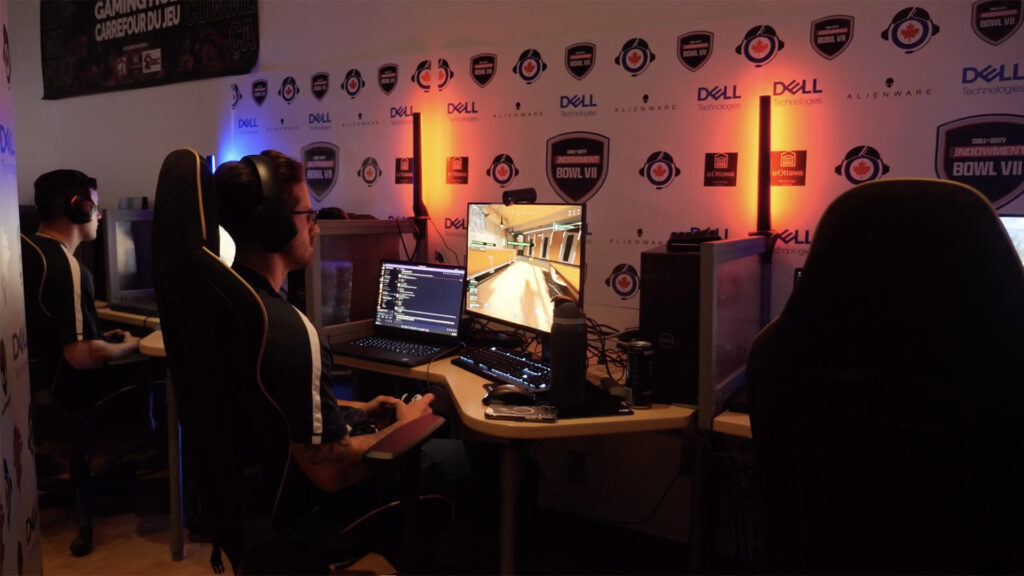
Access to a lawyer or legal training is not given to everyone. Lack of knowledge, resources and prohibitive costs: the barriers are manifold. This visual post, produced by students as part of the course Visual Advocacy / Law and Film, presents free resources available to the public.

See More
05-28-26 | Access to Justice, Student Projects

When justice has no voice: Outaouais without lawyers

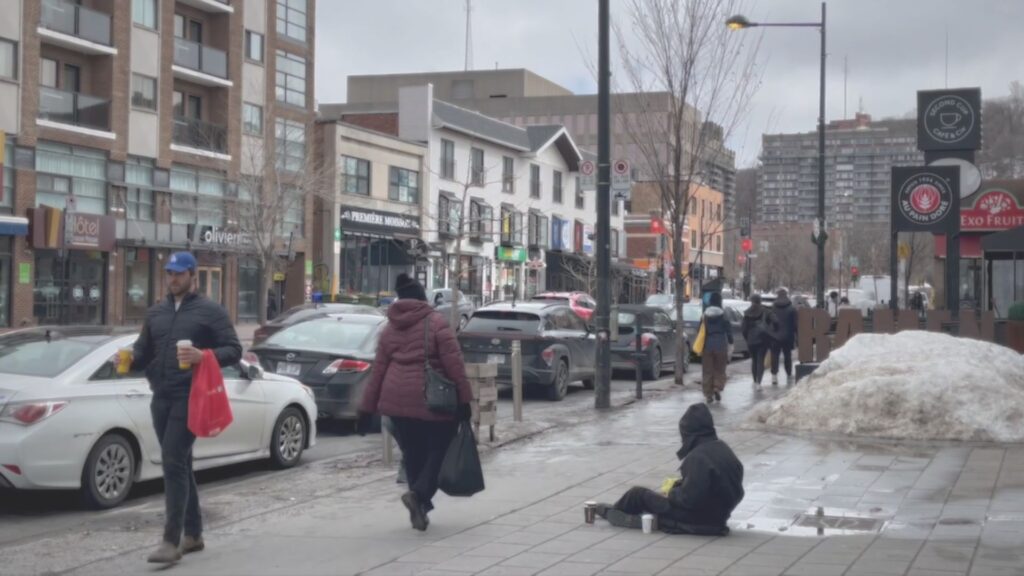
In the Outaouais region, finding a lawyer can be a real challenge. This video, produced by students as part of the Visual Advocacy/Law and Cinema course, highlights the causes and consequences of a shortage that is undermining access to justice in the region.

See More
05-20-26 | Human Rights, Immigration and Refugee Law, International

uOttawa Research Chair on Migrant Protection and International Law

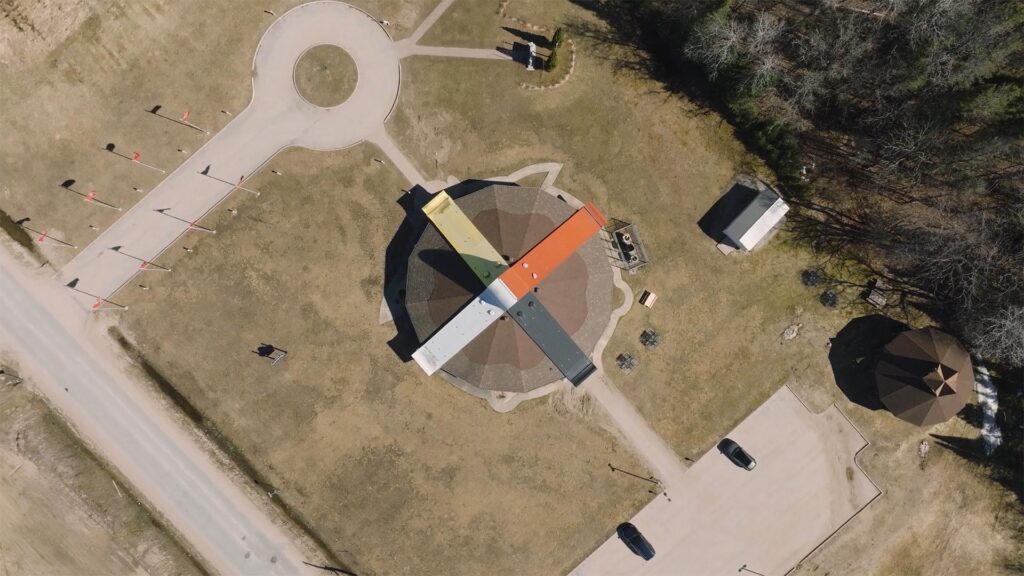
Canada maintains a strong humanitarian reputation internationally even though its migration policies have tightened considerably over the past two decades. The University of Ottawa Research Chair on Migrant Protection and International Law, led by Professor Delphine Nakache, examines that paradox. Through an interdisciplinary and bilingual approach, the Chair analyzes Canada’s actions toward temporary workers, international students, asylum seekers, and non-status migrants, with the goal of developing concrete legal and policy frameworks.

See More
La mise en abime de la recherche
04-21-26 | Interdisciplinarity, Research Experience, Research Methodology

Opening the Black Box: Rethinking Scientific Discourse

Sociologist Patrice Corriveau and his colleagues spent 15 years suicide in Quebec across 250 years. To share their findings with the rigour and sensitivity the subject demands, the team partnered with illustrator Christian Quesnel to create a graphic novel: Vous avez détruit la beauté du monde: Le suicide scénarisé au Québec depuis 1763. The format made it possible to portray difficult scenarios honestly, without exploitation, and to reach a broader audience. The project’s reception across artistic and scientific circles, as well as with the general public, shows that research must find new ways to meet its audience where it already is.

See More