Research Methodology
Subscribe to our newsletter
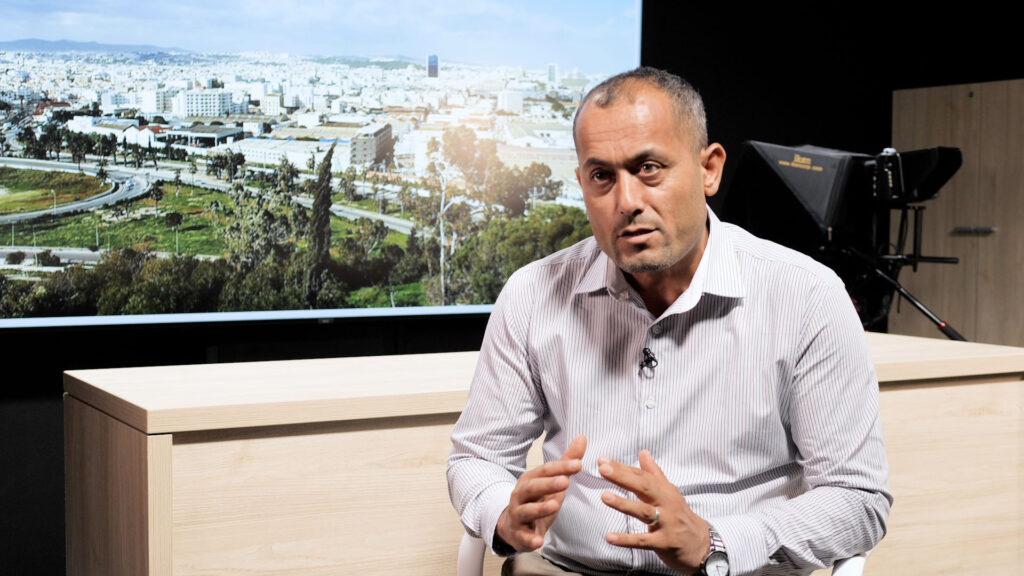
The development of sociology as a scientific discipline in Tunisia was strongly influenced by French sociology. In this visual post, Professor Zouheir Ben Jannet explains the process of decolonization of Tunisian sociology and the Arab sociological heritage. He discusses the development of new avenues of research in response to many of the political and cultural changes that occurred following the Tunisian revolution of 2011. He also highlights the contributions of Tunisian sociologists. An interview produced by Jurivision in collaboration with CIRCEM as part of the XXIIᵉ AISLF Congress.
The globalization of science raises many issues, including language. In this visual post, Professor Pablo Kreimer highlights the distinction between the so-called “hard” sciences, where English is the dominant language, and the social sciences. He explains that the different audiences for certain disciplines motivate many scientists to publish in English and in their national languages. He examines some of the benefits that can be derived from mobilizing different languages in scientific communication. An interview conducted by Jurivision in collaboration with CIRCEM as part of the XXIIᵉ AISLF Congress.
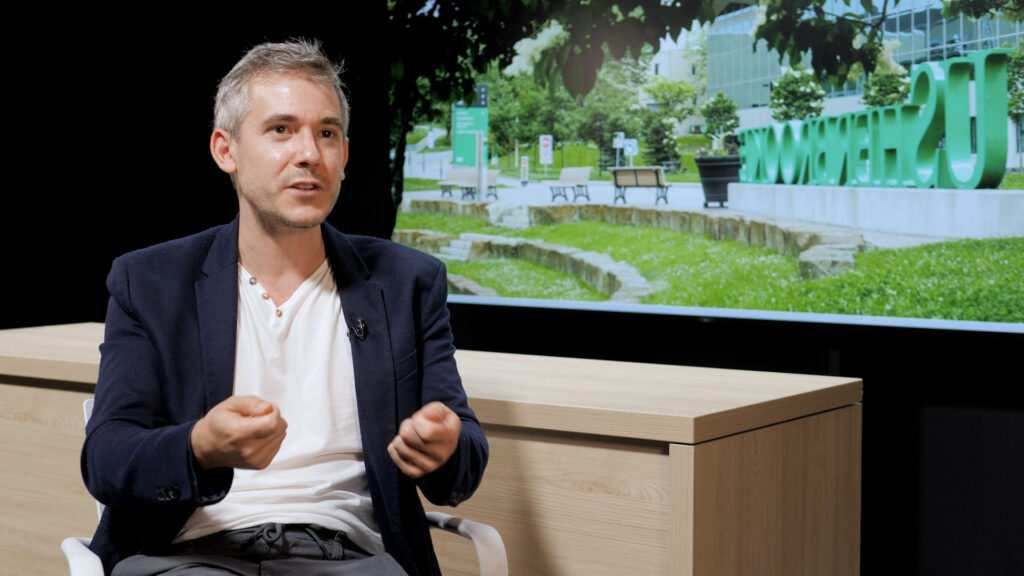
What place should experiential knowledge have in research? In this visual post, Professor Baptiste Godrie discusses his work in the fields of health and social services, and the fight against poverty. He discusses the existence, recognition and transversality of different types of knowledge. He questions the language of data “collection” and stresses the importance of reflection on research ethics. An interview produced by Jurivision in collaboration with CIRCEM as part of the XXIIᵉ AISLF Congress.
Canada is home to many French-speaking minority communities, including Acadia. In this visual post, Professor Michelle Landry addresses Acadian demography and identity, and discusses the work of the Canada Research Chair on Francophone Minorities and Power, which she holds. She looks at the origins and claims of the anti-bilingualism movement in the province of New Brunswick, and asserts the legitimacy of the sociology of and in Acadia. An interview conducted by Jurivision in collaboration with CIRCEM as part of the XXIIᵉ Congrès de l’AISLF.