Visual Posts

Criminal Law

Subscribe to our newsletter

06-22-26 | Access to Justice, Criminal Law, Human Rights, Projets étudiants

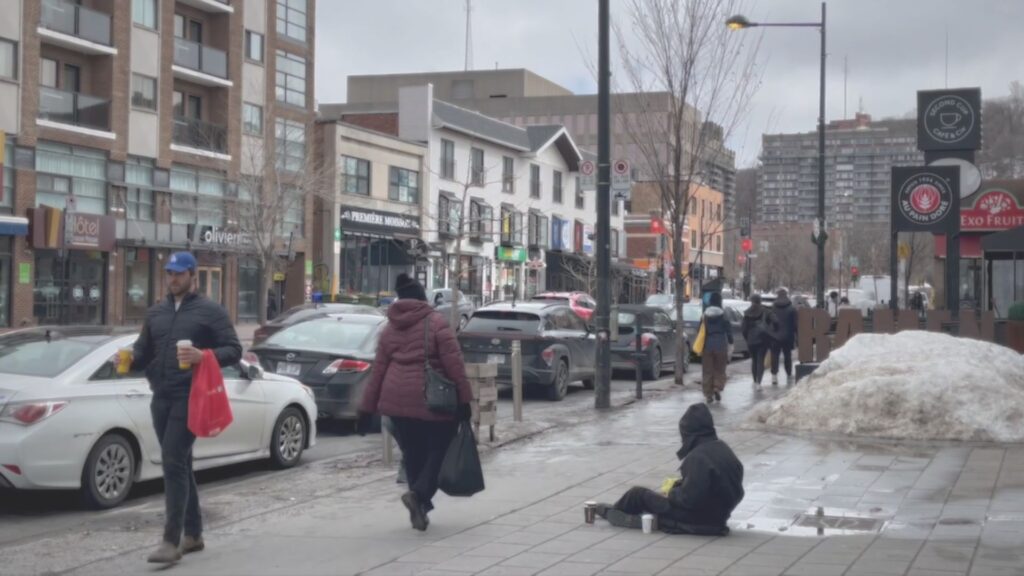
The Over-Judicialization of Homelessness: Social Profiling

People experiencing homelessness are often targeted by law enforcement because of behaviors related to their survival in public spaces. This cycle of judicialization accentuates their marginalization rather than addressing it. In this visual post, produced by students as part of the course Visual Advocacy/Law and Film, two speakers from the Clinique Droit Devant expose the mechanisms of social profiling and present the Justice-Homelessness Support Program (PAJIC).

See More
06-08-26 | Access to Justice, Criminal Law, Diversité, Projets étudiants

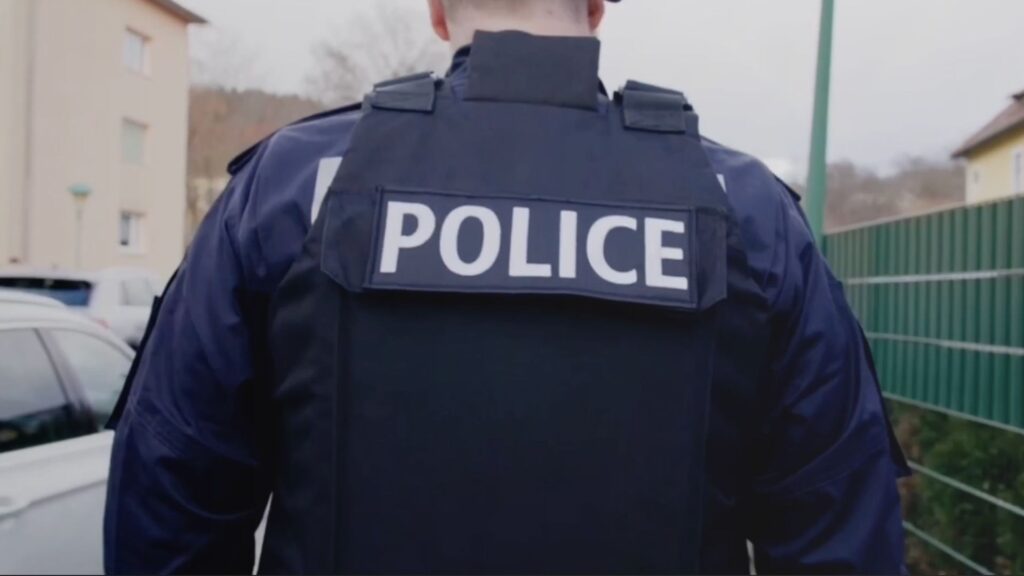
Racial Profiling: A Symptom of a Lack of Training on Implicit Biases

This video, created by students as part of the Visual Advocacy/Law and Cinema course, explores racial profiling in Canadian police forces from the perspective of implicit bias training. Through the testimonies of a former police officer and an intercultural mediator, it highlights the concrete effects of the lack of training and emphasize the importance of lawful police interventions that are respectful of all communities.

See More
11-21-25 | Access to Justice, Criminal Law, Public Law

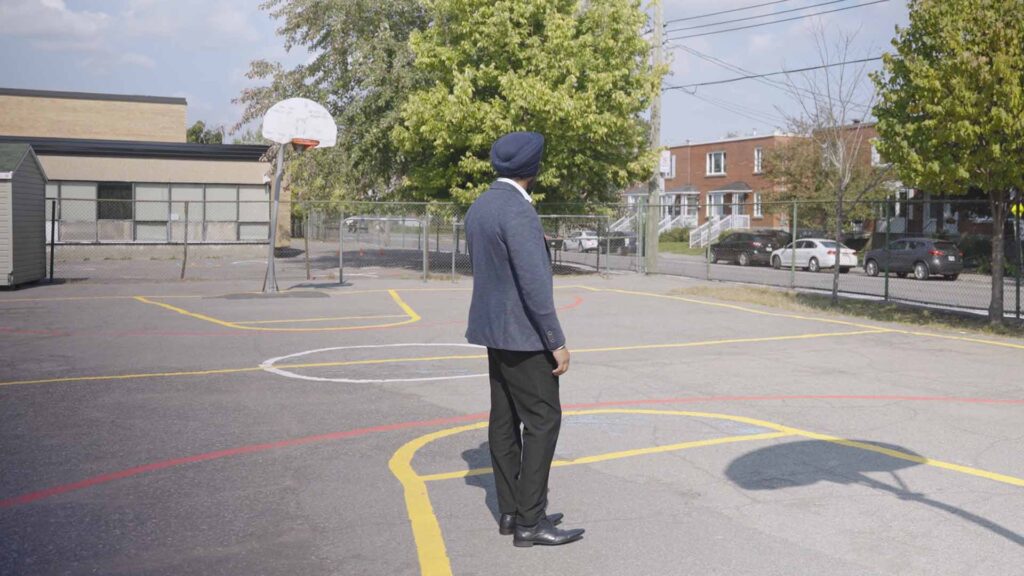
Keys to the Court: Gurbaj Singh Multani

This documentary explores Gurbaj’s path to the Supreme Court, through his own words. A dropped kirpan that became a matter of national importance, rallied an entire community, and ignited a conversation that still resonates today.

See More
10-24-25 | Access to Justice, Criminal Law, Public Law

Keys to the Court: The Rodney Small Case

On an October night in 1993, teenager Rodney Small was arrested by a police officer who claimed the then 15-year-old boy had run into him with his bike and hit him. Rodney had no idea that his story would become a legal battleground for larger questions about race, policing practices in Halifax, and the impartiality of Corinne Sparks, the country’s first Black woman judge. 

See More